Blog · Shelf
Safety & Operations
In Europe's multi-year operating statistics, the cable car ranks among the safest modes of transport — but that trust does not arise by itself. Behind it stands a discipline woven from EU regulations, EN standards, daily checks, annual inspections and regular drills.
The articles on this shelf tell that discipline from the inside: what the standards mean on site, how maintenance is planned, how rope rescue is drilled. Most of the photographs come from real training sessions and inspections — field narrative, not desk work.
For people working in the sector these pieces also read as a checklist: which inspection at what interval, which document from which authority, why drill records are kept. Even if you are not an operator, recognising the effort behind the calm workings you see from the passenger seat adds another flavour to the ride.
This shelf was last updated on 26 August 2026.
Shelves — All · Ropeway History · Ropeways in Türkiye · Ropeway Systems · Safety & Operations · Reference & Glossary
Cable Car Safety and EN Standards
How is cable car safety actually produced? Regulation (EU) 2016/424, EN 1709 and EN 12927, and Türkiye's licensing and periodic inspection regime.

Cable Car Maintenance and Rescue: Prevention and Evacuation
Preventive maintenance schedules, critical component tracking, spare parts strategy and rescue and evacuation methods: the EN 1709 regime and field practice.
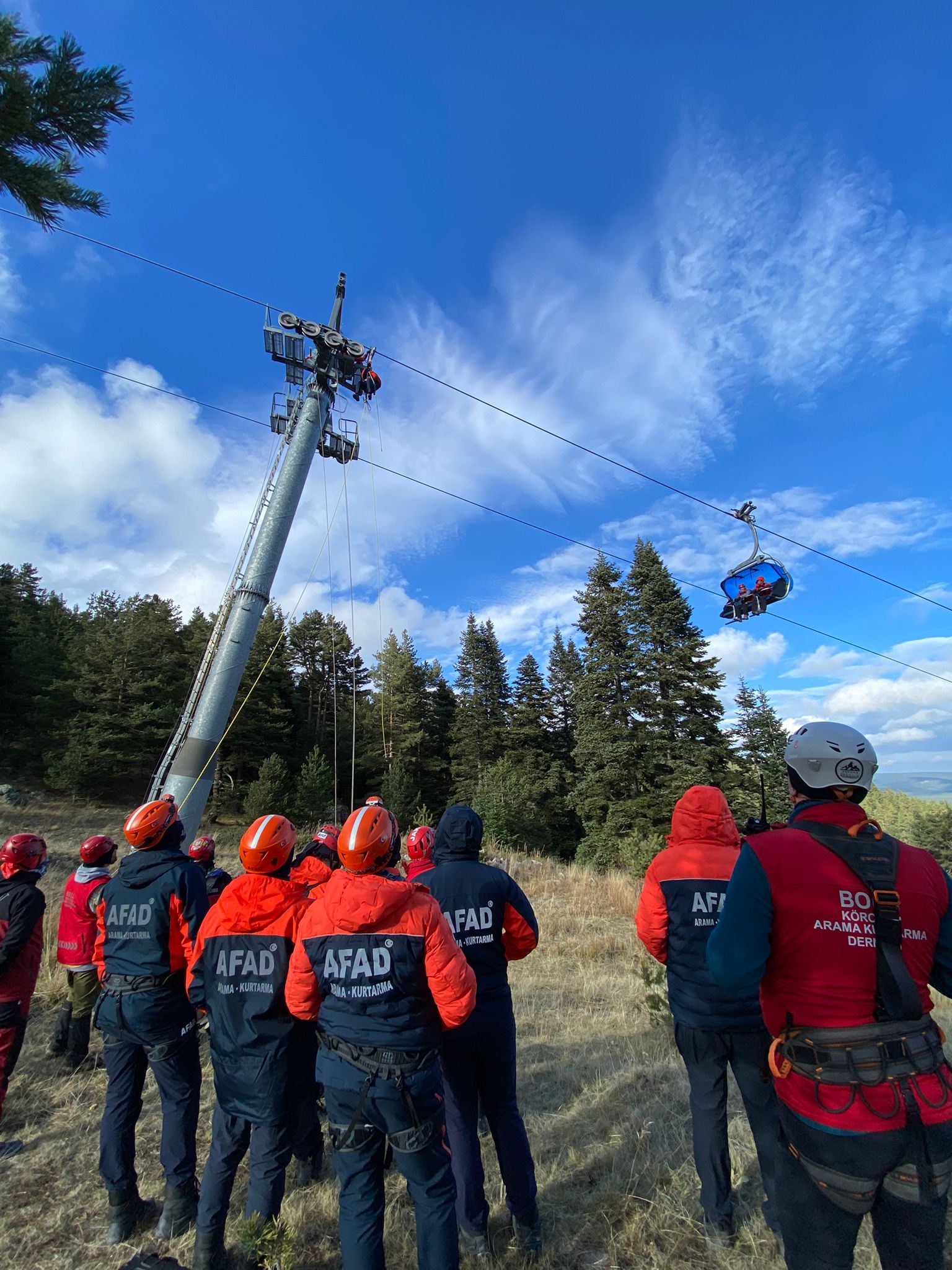
Field experience stands behind this shelf: the articles are distilled from the practice of an engineer who personally runs technical operations, licensing and rescue-training processes at ropeway installations. Rather than reciting clauses, we chose to describe what they turn into on site.
If you are planning inspection preparation, a licensing process or a rescue drill for your installation, the contact link at the end of each article is open to you. To get to know the machines the standards talk about, reach for the Ropeway Systems shelf.