Blog · Ropeway Knowledge Base
Türkiye's cable car library
The history of rope-hauled transport, the installations across Türkiye, system types, safety standards and operating discipline — written by an engineer from the field, with sources.
11 articles on the shelves · ~180 min of reading · Last updated: 26 August 2026
Shelves — Ropeway History · Ropeways in Türkiye · Ropeway Systems · Safety & Operations · Reference & Glossary

How Cable Cars Work: Components and Operating Principle
How does a cable car work? Drive and tensioning stations, ropes, grips, sheave assemblies, brakes and safety circuits, explained step by step.

Types of Cable Car: A Complete Guide to Ropeway Systems
Ropeway types: gondola, chairlift, T-bar, 3S, aerial tramway, funicular and inclined lift. Working principles, capacities and comparisons.
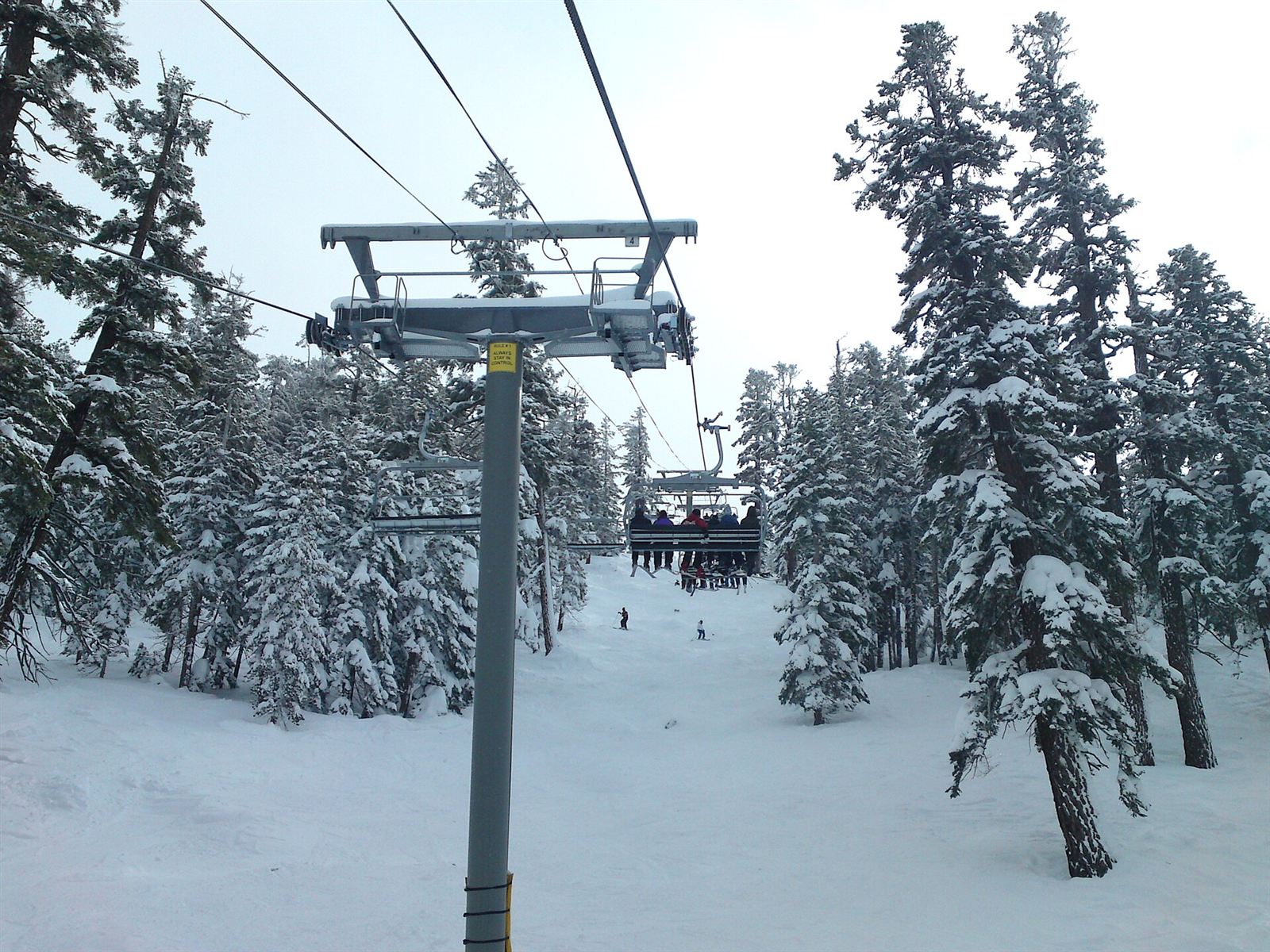
Ropeway Wire Ropes: Construction, Inspection, Replacement
The construction of ropeway wire ropes, track rope versus haul rope, full-locked ropes, splicing, magnetic rope testing and replacement criteria.
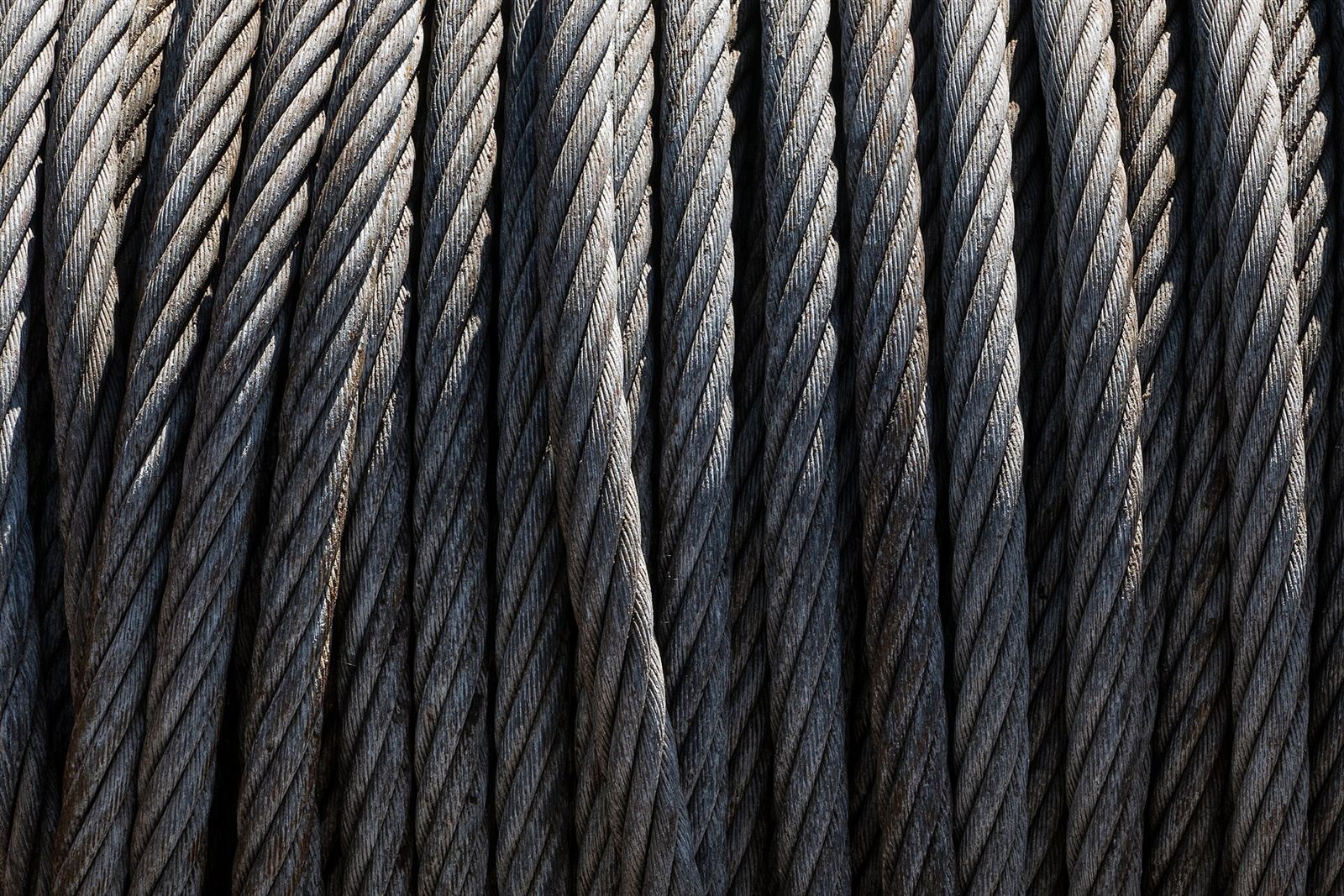
Cable Car Safety and EN Standards
How is cable car safety actually produced? Regulation (EU) 2016/424, EN 1709 and EN 12927, and Türkiye's licensing and periodic inspection regime.

Cable Car Maintenance and Rescue: Prevention and Evacuation
Preventive maintenance schedules, critical component tracking, spare parts strategy and rescue and evacuation methods: the EN 1709 regime and field practice.
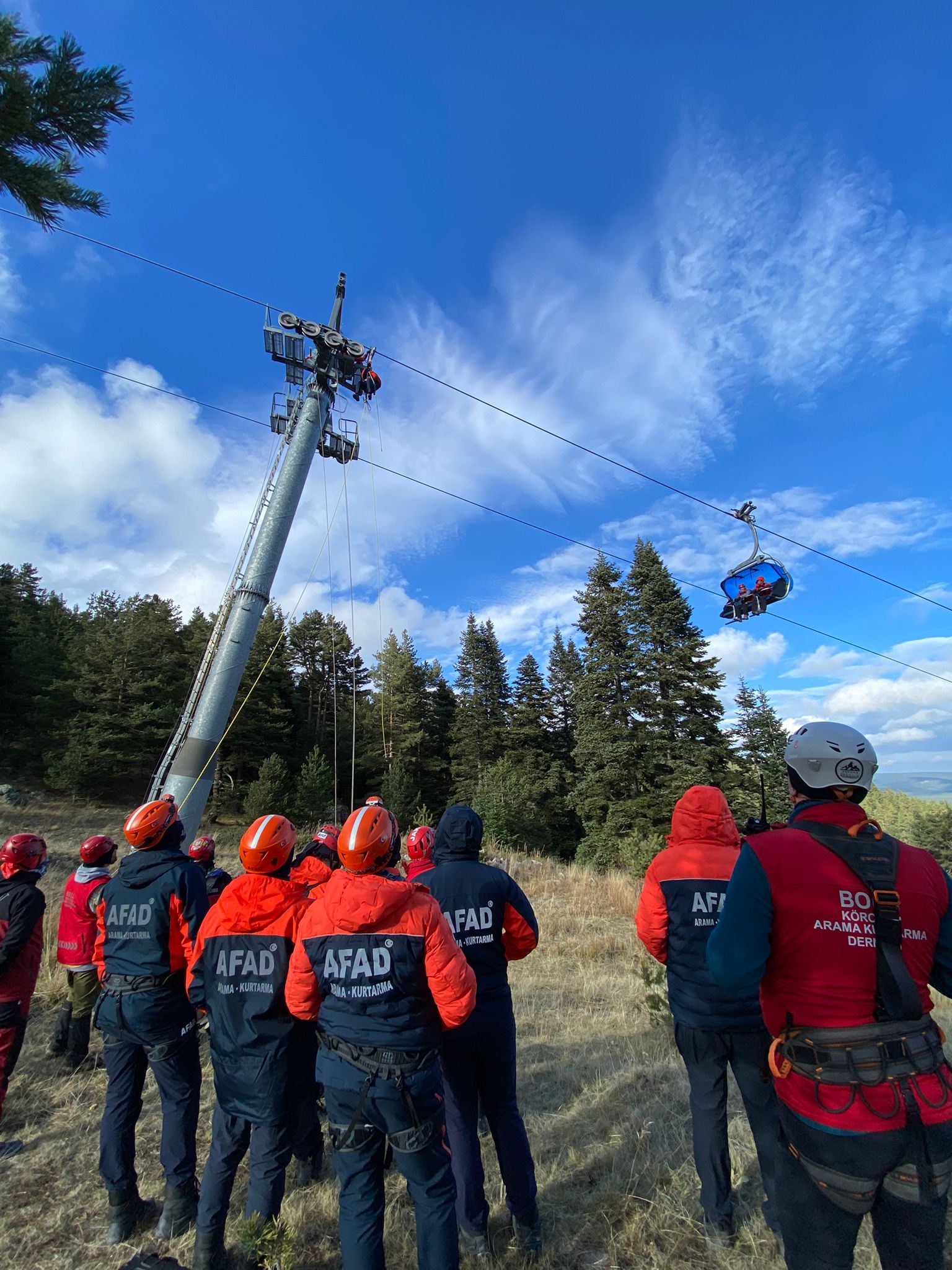
A World History of Cable Cars: From Rope to Urban Transit
The world history of cable cars: from the 1834 invention of wire rope to the first passenger lines, the ski boom, and the urban networks of La Paz and Medellín.

Landmark Cable Car Projects and World Records
From the Zugspitze to Peak 2 Peak, from La Paz to Zermatt — the projects that shaped cable car history and why each one matters in engineering terms.
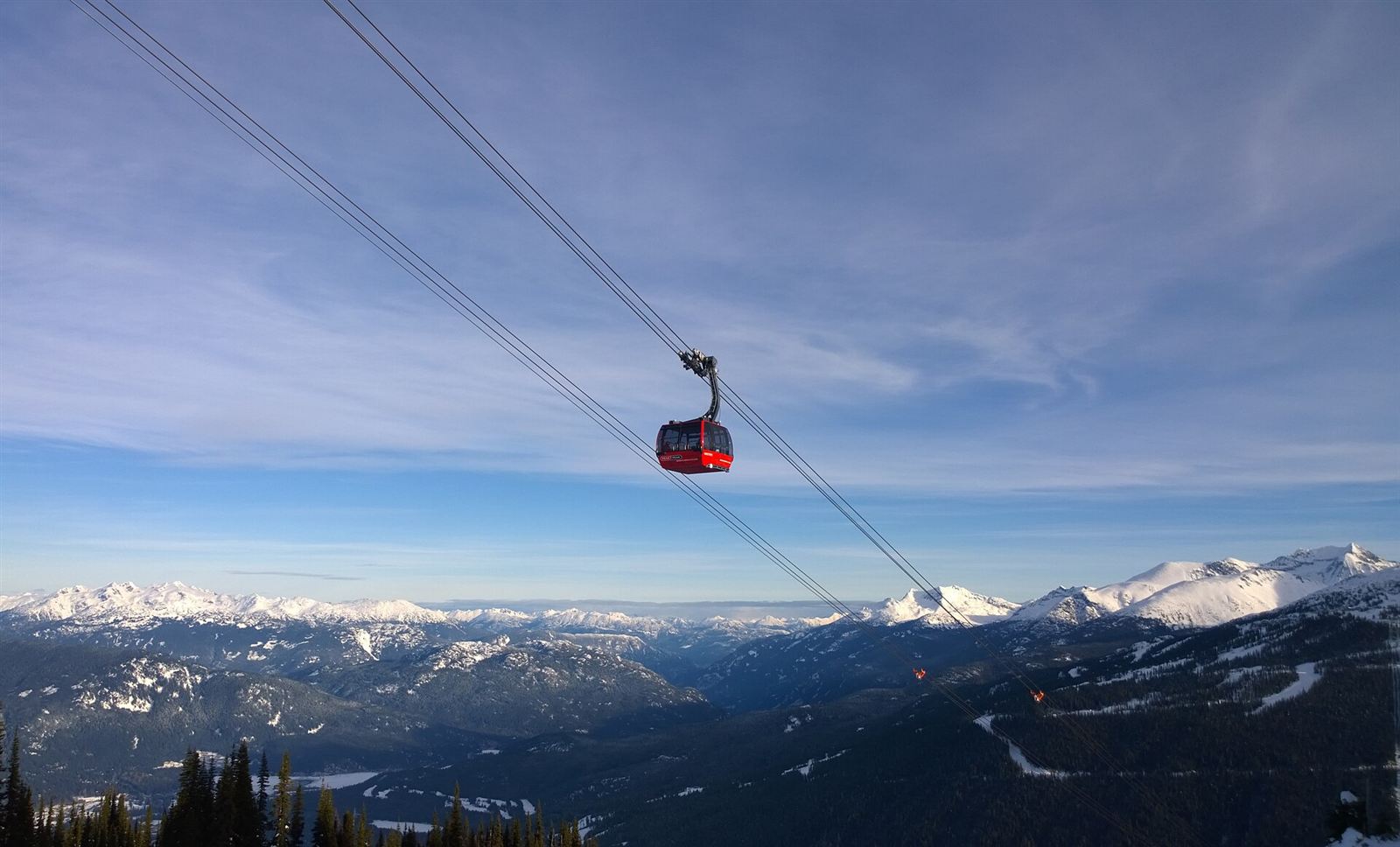
The History of Cable Cars in Türkiye: 1875 to Today
From the Tünel (1875) to Uludağ (1963) and today's urban lines: a chronology of cable cars in Türkiye, its ski resorts and the post-2018 oversight framework.

Cable Cars of Türkiye: A City-by-City Travel Guide
From the Mediterranean coast to the highland pastures of Hakkari, a city-by-city guide to the cable car, gondola and chairlift lines of Türkiye.

Bursa–Uludağ Cable Car: A Technical Profile from 1963 to Today
The history of the Uludağ Cable Car from the 1963 Von Roll line to the 2014 Leitner rebuild: technical data, stations and what it means for Bursa.

Cable Car Glossary: An A-to-Z Technical Guide
Short, standards-based definitions of cable car and ropeway terms, from grip and clearance envelope to track rope and 3S. An A-to-Z glossary.

Short answers
Short question, short answer.
What is the longest cable car in Türkiye?
Bursa Teleferik: renewed in 2014 to 8,800 metres, it was the world's longest monocable gondola line when it opened. Full article →
How many cable car installations are there in Türkiye?
The Egenil Teleferik Archive's ongoing compilation lists more than a hundred rope-hauled installations; the guide tours them city by city. Full article →
Gondola or chairlift?
A gondola runs year-round in an enclosed cabin; a chairlift is ski-oriented and cheaper to build. Ski resorts usually run both together. Full article →
How do you choose a system for a new installation?
Five criteria decide it: capacity, route profile, wind regime, seasonality and budget. Criteria analysis, not brand, makes the choice. Full article →
When was the cable car invented?
Its foundation is the invention of steel wire rope in 1834; the first passenger aerial lines opened in 1908. Türkiye's first cable car is the 1963 Bursa line. Full article →
What happens if a cable car gets stuck?
Returning the cabins to the station is tried first; failing that, passengers are lowered by rope under control. Crews drill for exactly this. Full article →